Polyaspartic Floor Coating Services
Request an estimate and compare
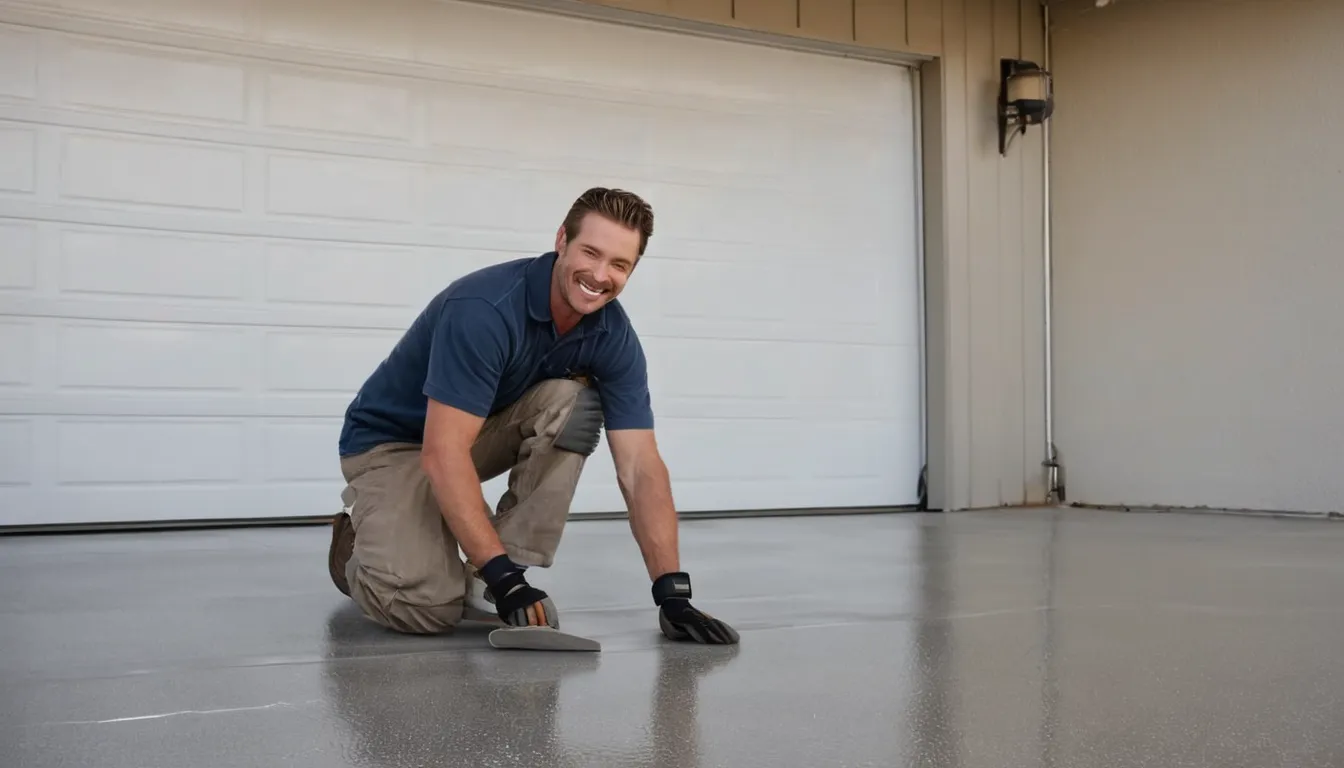
Polyaspartic is a type of floor coating that dries fast and holds up well. Think of it as a clear, hard shell for your concrete. It resists scuffs, chemicals, and sun fade. Many people use it in garages, but it works in other spots too.
Becamecards Floor Coating is a referral service. We do not coat floors. We connect you with independent providers in our network near Godfrey. You can request an estimate, compare what each one offers, and take your time. Plain answers first. Ask before you commit. Nobody will pressure you here.
Start Here: What Is Polyaspartic?
Polyaspartic is a coating made from a special kind of plastic called a resin. A provider rolls or squeegees it onto prepared concrete. It cures, or hardens, much faster than most other coatings. That speed is its big selling point.
If you have never bought a floor coating, this page is for you. We will keep the words short and explain each trade term.
Need Your Garage Back Soon?
Some people cannot park outside for long. Maybe winter is near, or a storm is coming. Polyaspartic often cures in hours, not days. Many providers can finish a garage in one or two days of work. Ask each provider for their own schedule.
How It Differs From Epoxy
Epoxy is another resin coating. It is thick and strong. It takes longer to cure. Polyaspartic cures faster and tends to resist sun yellowing better.
Here is a quick side-by-side:
- Cure time: Polyaspartic is quick. Epoxy is slower.
- Sun exposure: Polyaspartic holds its color well. Epoxy can yellow over time.
- Price: Polyaspartic often costs more up front.
- Work window: Polyaspartic sets fast, so the installer must move fast too.
Neither one is wrong. It depends on your floor, your budget, and how you use the space.
Full Polyaspartic or a Hybrid System?
A full system uses polyaspartic for every layer. A hybrid system uses epoxy as a base and polyaspartic as the top coat. The top coat is the layer you see and walk on.
Hybrids can lower the price. They still give you a tough, clear finish. Full systems cost more but may cure even faster. Ask each provider to explain which one they would use and why.
How the Job Usually Goes
Every provider has their own method. Most follow steps like these.
Step one: grind the concrete
A machine grinds the surface so the coating can grip. This also removes old paint or sealer.
Step two: fix cracks and chips
The provider fills cracks and pits with a repair filler. A smooth base means a smooth finish.
Step three: base coat and flakes
The base coat goes down first. Then colored flakes may be scattered on top for texture and style.
Step four: clear top coat
The last layer seals everything. It gives the floor its shine and its toughness.
Where Polyaspartic Works Well
Garages are the most common spot. The coating handles tire marks, drips, and road salt. It also suits basements, porches, patios, and workshops. Some providers also use it on custom floor finishes with decorative flakes or metallic looks.
If you have a full basement with a sump pump, tell the provider. Damp concrete can cause trouble. They may test for moisture first.
Weather and Timing
Cold winters with deep frost can stress concrete. Hot, humid summers can affect how a coating cures. Spring flooding can leave a slab damp for weeks.
Polyaspartic can cure in cooler air better than many coatings. Still, the slab must be dry. A good provider checks moisture and temperature before they start. Ask how they handle both.
Picking Colors and Flake Blends
Flakes are small colored chips pressed into the wet coating. You can pick a light blend, a dark blend, or a mix.
- Light blends hide dust and brighten a dim garage.
- Dark blends hide oil spots but show dust.
- Mixed blends hide most things and look busy in a nice way.
Ask to see a real sample board. Colors look different under garage lights than on a screen.
Caring for the Floor
Upkeep is simple. Sweep or dust mop often. Wipe spills when you see them. Mop with mild soap and water now and then.
Avoid harsh cleaners and sharp metal tools dragged across the surface. Use mats under jack stands. A well-kept floor can last many years, though results vary by job.
Questions to Ask Before You Commit
Bring a short list to each estimate visit. Compare, then decide.
- Is the system full polyaspartic or a hybrid?
- How do you prepare the concrete?
- How do you test for moisture?
- What is the coat thickness?
- What warranty does your company offer, and what does it cover?
- When can I drive on the floor?
- Can I see a past job?
Write down each answer. Lay the quotes side by side. Look at the details, not just the total.
Ready to Compare?
You can request an estimate and hear from providers in our network. There is no obligation. Take the time you need.
What's Included
Surface Prep
Providers grind the concrete so the coating can grip and last.
Crack Repair
Chips and cracks get filled first, so your finished floor looks smooth.
Color and Flakes
Pick a flake blend or solid color that fits your garage or room.
Clear Top Coat
A final sealing layer adds shine and guards against scuffs.
What Polyaspartic Coating Typically Costs
Prices vary by job size, floor condition, and system type. These are typical U.S. ranges, not quotes. Ask each provider for a written quote that lists every item, so you can compare fairly.
| Item | Typical range | Notes |
|---|---|---|
| Two-car garage, full polyaspartic | $3,000 – $7,000 | Price rises with floor size and flake use |
| Hybrid epoxy and polyaspartic system | $2,500 – $5,500 | Often lower than a full system |
| Per square foot, installed | $5 – $12 | Depends on prep and materials |
| Concrete grinding and prep | $0.50 – $2 per sq ft | Rough floors need more work |
| Crack and pit repair | $150 – $600 | Depends on how much damage there is |
| Moisture testing or barrier | $100 – $500 | Needed for damp slabs |
How It Works
Send a request
Fill out the short form with your floor size, location, and any questions you have.
Hear from providers
A local provider may reach out to talk about your floor and schedule a visit.
Compare written quotes
Line up each quote. Check prep, system type, thickness, and warranty terms.
Choose when ready
Pick the provider that fits, or wait. The choice is yours.
Why Call Becamecards Floor Coating
Compare Several Providers
Request an estimate and see how different local providers describe their approach and price.
Plain Answers
We explain trade terms in short words so you know what you read.
No Pressure
You decide when and if to move forward. No obligation.
Local Providers
Independent providers in our network know the climate near Godfrey.
Other Services
Need polyaspartic floor coating services in Godfrey?
Ready to compare? Send a request for an estimate, or request a callback to check provider availability. There is no obligation, and you choose what happens next.
No obligationPolyaspartic Floor Coating Services FAQ
How long does polyaspartic floor coating take to cure?
Polyaspartic often cures in a few hours, which is much faster than most epoxy. Many providers finish a garage in one or two days of work. Walk-on and drive-on times vary, so ask the provider you pick.
Is polyaspartic better than epoxy for a garage floor?
It depends on your needs. Polyaspartic cures faster and resists sun yellowing, but it often costs more. Epoxy is thick and strong. Ask providers to explain both and compare quotes.
How much does polyaspartic flooring cost?
Typical U.S. prices run about $5 to $12 per square foot installed. Floor condition, prep work, and flake choices change the total. Get written quotes from more than one provider before you decide.
Request a callback
Ready to compare? Send a request for an estimate, or request a callback to check provider availability. There is no obligation, and you choose what happens next.
No obligation